Every year, preventable electrical accidents injure or kill workers during equipment maintenance. A motor unexpectedly powers up. A capacitor discharges. A service technician gets shocked—despite believing the system was off. These are not rare incidents. They’re the direct result of failed energy control, and they’re 100% preventable with proper electrical safety lockout tagout (LOTO) procedures.
Lockout tagout isn’t just a checklist. It’s a systematic safety practice designed to isolate hazardous energy sources—especially electrical—before maintenance or servicing. When implemented correctly, LOTO prevents electrocution, arc flash injuries, equipment damage, and regulatory penalties. When ignored or poorly executed, it exposes teams to catastrophic risk.
This guide breaks down the real-world mechanics of electrical LOTO, from compliance requirements to on-the-ground execution. No fluff. No jargon-heavy theory. Just actionable intelligence for safety managers, maintenance teams, and operations leads.
Why Electrical LOTO Is Non-Negotiable
Electrical systems store lethal energy even when switched off. Capacitors, backup power sources, and induction can all cause unexpected energization. According to OSHA, failure to control hazardous energy accounts for nearly 10% of serious accidents in manufacturing. Most involve electricity.
LOTO shuts that risk down by physically isolating energy sources and preventing accidental re-energization. For electrical systems, this means more than flipping a breaker. It requires verified disconnection, lock application, and clear communication.
Common electrical hazards LOTO prevents: - Accidental startup during servicing - Residual charge discharge - Backfeed from secondary power sources - Control circuit energization - Human error due to miscommunication
Without LOTO, a simple motor repair can become a fatality. With it, workers gain confidence, compliance, and control.
OSHA Standards and Electrical LOTO Compliance
OSHA 29 CFR 1910.147 is the core regulation for control of hazardous energy. While it covers all energy types (mechanical, hydraulic, pneumatic), electrical energy is the most pervasive and dangerous.
Key requirements under OSHA for electrical LOTO: - Written energy control procedures - Authorized and affected employee training - Periodic inspections (at least annually) - Use of lockout devices that are durable, standardized, and identifiable - Verification of zero energy state before work begins
OSHA also references NFPA 70E, which provides detailed guidance on electrical safety in the workplace, including arc flash risk assessment and personal protective equipment (PPE). Together, these standards create a legal and operational framework for protecting workers.
Real-world compliance gap: Many facilities have LOTO procedures on paper but fail in execution. Example: a technician locks out a panel, but another worker removes the lock without verification. This violates OSHA’s requirement that only the authorized employee who applied the lock can remove it.
Non-compliance isn’t just risky—it’s expensive. OSHA citations for LOTO violations average over $15,000 per incident. Repeat or willful violations can exceed $150,000.
The 6-Step Electrical LOTO Process
Effective LOTO isn’t improvisation. It’s a repeatable, six-step process designed for consistency and safety.
1. Prepare for Shutdown Identify all energy sources—primary, secondary, stored. Review equipment-specific LOTO procedures. Gather necessary locks, tags, and tools.

Example: A conveyor system may have main power, control circuits, and capacitive energy in its drive. All must be addressed.
2. Notify Affected Personnel Inform everyone who uses or operates the equipment that maintenance is starting. This prevents someone from trying to restart a machine unknowingly.
3. Shut Down the Equipment Use normal stopping procedures. Don’t bypass controls. Confirm shutdown via control indicators.
4. Isolate Energy Sources Physically disconnect power at the source—disconnect switches, breakers, or pull fuses. For electrical systems, this often means locking out the disconnect switch or circuit breaker.
Critical tip: Never rely on control circuit devices (like push buttons) as the sole means of isolation. They don’t break the power circuit.
5. Apply Locks and Tags Each authorized worker applies their own lock and tag. Tags must include: - Worker name - Date and time - Reason for lockout - Department
Use group lockout boxes when multiple people are working on the same system.
6. Verify Zero Energy Test for zero energy using a properly rated voltage tester. Check phase-to-phase and phase-to-ground. Verify that stored energy (e.g., in capacitors) has been discharged.
Common mistake: Assuming the system is dead because the switch is off. Always test before touch.
Common LOTO Mistakes in Electrical Work
Even experienced teams make errors. These are the most frequent—and dangerous—mistakes in electrical LOTO:
- Using master keys to bypass locks – Defeats the purpose of individual accountability.
- Skipping verification – “I know it’s off” is not a safety strategy.
- Inadequate training – Affected employees don’t understand their role.
- One lock for multiple workers – Each worker must apply their own lock.
- Poor lockout device quality – Flimsy hasps or non-durable tags fail under field conditions.
Real case: A maintenance tech in Ohio was electrocuted when a coworker re-energized a panel using a master bypass key. The victim’s lock was still in place. The bypass violated OSHA rules and cost the company $70,000 in fines.
Prevent these errors with strict enforcement, regular audits, and a culture that prioritizes safety over speed.
LOTO Devices for Electrical Systems: What Works
Not all lockout devices are equal. Electrical environments demand specific features: durability, insulation, clear labeling, and compatibility with common disconnects.
Here are 5 effective LOTO tools for electrical safety:
| Device | Use Case | Key Features |
|---|---|---|
| Circuit Breaker Lockouts | Standard breakers | Slides over handle, accepts padlock, UV-resistant |
| Plug Lockouts | Cord-connected equipment | Secures plug in outlet, prevents reinsertion |
| Valve Lockout Tags | Secondary energy | Combined lock/tag for isolation points |
| Group Lockout Station | Multi-person jobs | Centralized box with hasps for multiple locks |
| Test-Then-Lock Devices | High-risk panels | Built-in voltage detection before lock application |
Invest in standardized kits. When every electrician uses the same color-coded locks and tags, confusion drops and compliance rises.
Implementing LOTO in High-Risk Electrical Environments
Some settings demand extra rigor. Consider a data center with redundant UPS systems. Power may be fed from multiple sources, including generators and battery banks. A standard LOTO procedure might miss a backup feed.

In high-complexity environments: - Conduct energy flow mapping before writing procedures - Use lockout sequence diagrams - Require dual verification (two technicians confirm isolation) - Integrate LOTO with work permits
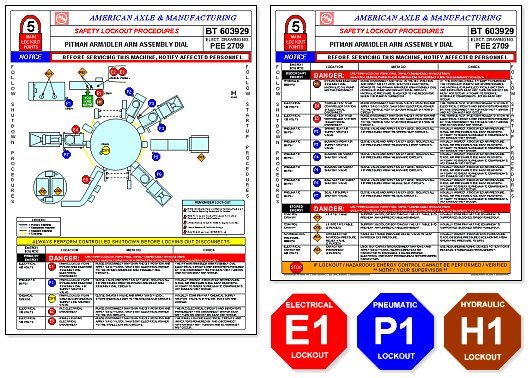
Example: A semiconductor plant reduced electrical incidents by 80% after introducing LOTO flowcharts for each production line. Each chart showed every disconnect point, lock type, and verification step.
Complexity isn’t an excuse for skipping LOTO. It’s a reason to make it smarter.
Training and Culture: The Human Side of LOTO
Equipment and procedures mean nothing without buy-in. Training must go beyond classroom sessions. It needs real drills, refresher courses, and accountability.
Effective LOTO training includes: - Hands-on practice with lockout devices - Simulated zero-energy verification - Role-playing tag removal scenarios - Annual recertification
But culture matters more. If supervisors pressure workers to “just fix it fast,” LOTO becomes optional. Leadership must model compliance. When a plant manager applies their own lock during maintenance, it sends a message.
One utility company cut electrical incidents by 65% in two years by tying safety performance to team bonuses—and making LOTO audits part of shift handovers.
Audit and Continuous Improvement
LOTO isn’t “set and forget.” OSHA requires annual inspections where a supervisor observes a full LOTO cycle and corrects deviations.
Use audits to: - Verify procedure accuracy - Identify outdated steps - Assess worker understanding - Update for new equipment
Turn findings into action. If three technicians skip voltage testing, don’t just retrain—investigate why. Is the tester faulty? Are procedures unclear?
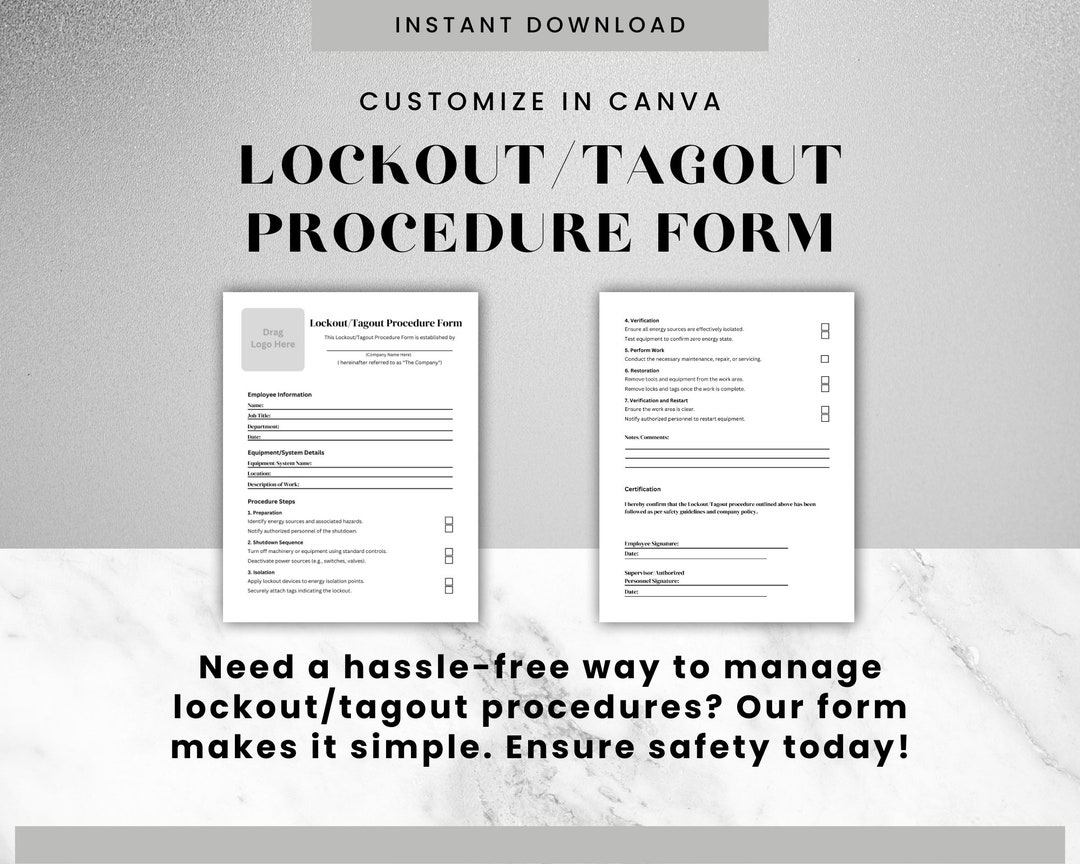
One automotive plant used audit data to redesign its LOTO forms, adding visual cues and QR codes linking to video instructions. Completion rates rose from 68% to 96%.
Conclusion: Make LOTO a Habit, Not a Hurdle
Electrical safety lockout tagout isn’t bureaucracy. It’s insurance against preventable tragedy. The few extra minutes spent locking out a panel protect lives, maintain compliance, and sustain operational continuity.
Start today: audit one high-risk circuit. Verify its LOTO procedure. Train one team. Make it standard. Repeat.
Safety isn’t a program. It’s a practice. And when it comes to electricity, practice must be perfect.
Frequently Asked Questions
What is the difference between lockout and tagout? Lockout uses physical locks to prevent energization; tagout uses warning tags. Lockout is preferred for electrical systems because it provides positive control.
Can tagout be used alone for electrical work? Only if lockout is not feasible—and only with additional safety measures like removal of circuit components or verified isolation.
Who can remove a LOTO lock? Only the authorized employee who applied it. Exceptions require a formal, documented procedure and verification that the worker is not present.
How often must LOTO procedures be reviewed? At least annually, per OSHA. Also review after equipment changes, incidents, or near misses.
Do temporary tasks require LOTO? Yes. Any servicing or maintenance that exposes workers to unexpected energization requires LOTO, regardless of task duration.
What voltage levels require LOTO? All. Even low-voltage systems (under 50V) can pose risks, especially in wet conditions or with stored energy.
Can multiple people work under one lock? No. Each worker must apply their own lock. Use a group lockout box to manage multiple locks on a single isolation point.
FAQ
What should you look for in Electrical Safety Lockout Tagout: The Definitive Guide? Focus on relevance, practical value, and how well the solution matches real user intent.
Is Electrical Safety Lockout Tagout: The Definitive Guide suitable for beginners? That depends on the workflow, but a clear step-by-step approach usually makes it easier to start.
How do you compare options around Electrical Safety Lockout Tagout: The Definitive Guide? Compare features, trust signals, limitations, pricing, and ease of implementation.
What mistakes should you avoid? Avoid generic choices, weak validation, and decisions based only on marketing claims.
What is the next best step? Shortlist the most relevant options, validate them quickly, and refine from real-world results.