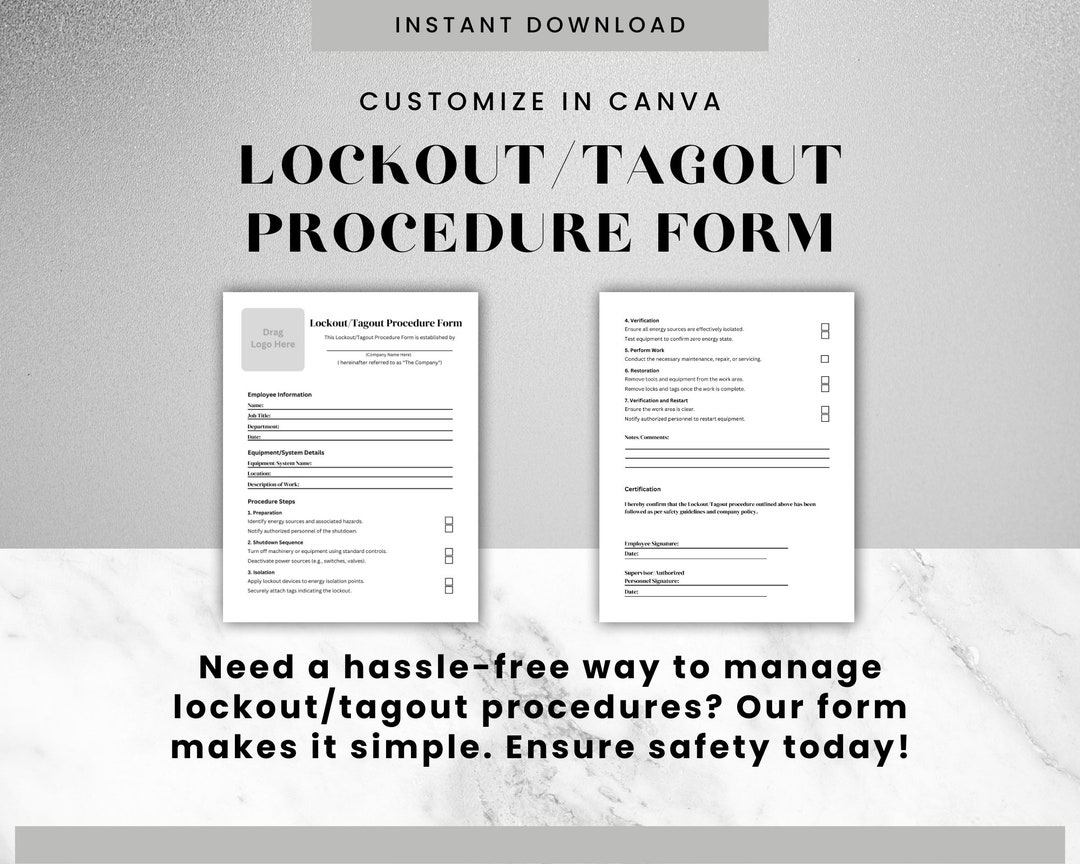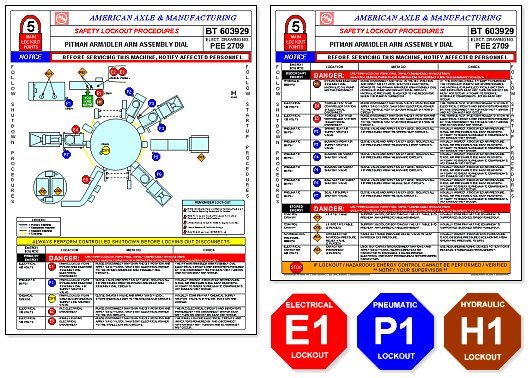
Workers get injured every year during equipment servicing—many because energy sources weren’t properly isolated. The solution? A standardized lockout tagout (LOTO) procedure. But creating one from scratch takes time, expertise, and a solid understanding of OSHA requirements. That’s where a free lockout tagout procedures template becomes indispensable.
This guide delivers not just a downloadable framework, but a working blueprint tailored to real maintenance workflows. You’ll learn how to implement, customize, and enforce LOTO procedures—without guesswork.
Why a Lockout Tagout Procedures Template Saves Time and Lives
A lockout tagout procedures template isn’t just paperwork. It’s a frontline defense against electrocution, crushing injuries, and unexpected machine startups. According to OSHA, failure to control hazardous energy accounts for nearly 10% of serious accidents in manufacturing.
Many companies skip formal procedures because they assume they’re too complex or time-consuming. Others create inconsistent, incomplete checklists that don’t reflect actual equipment conditions. A well-structured template bridges that gap.
With a free lockout tagout procedures template, you get:
- Standardized steps for isolating energy sources
- Clear roles for authorized and affected employees
- A foundation for OSHA compliance (29 CFR 1910.147)
- Faster training and onboarding
- Reduced downtime due to miscommunication
Templates reduce the barrier to entry—especially for small to mid-sized operations without dedicated safety teams.
What Should Be Included in a Free LOTO Template?
Not all free templates are created equal. A high-value LOTO template must go beyond a generic checklist. It should reflect the real-world complexity of energy control while remaining easy to use.
Core Components of an Effective Template
| Section | Purpose | Real-Use Example |
|---|---|---|
| Equipment Identification | Name and ID of machine | “Hydraulic Press #4 – Stamping Line” |
| Energy Sources | List all types (electrical, pneumatic, hydraulic, etc.) | “Main 480V disconnect, hydraulic accumulator, air supply line” |
| Lockout Devices Required | Specify locks, hasps, tags, valves | “One lock per technician, isolation valve tag” |
| Step-by-Step Procedure | Sequential shutdown, isolation, verification | “Step 3: Close hydraulic valve and secure with lock” |
| Verification Method | How to confirm zero energy | “Test start button after isolation” |
| Authorized Personnel | List or role-based access | “Certified Maintenance Technician, Shift Supervisor” |
| Release & Restart Protocol | Clear steps to safely resume operations | “Inspect work area, remove locks, notify team” |
A common mistake? Using a single template for all equipment. A CNC machine has different energy risks than a conveyor belt. The best templates are customizable—not universal.
Free LOTO Templates: Where to Find Reliable Ones
Many websites offer “free” LOTO templates, but quality varies. Some are outdated, overly generic, or missing critical verification steps. Here are five trustworthy sources with practical, customizable options:
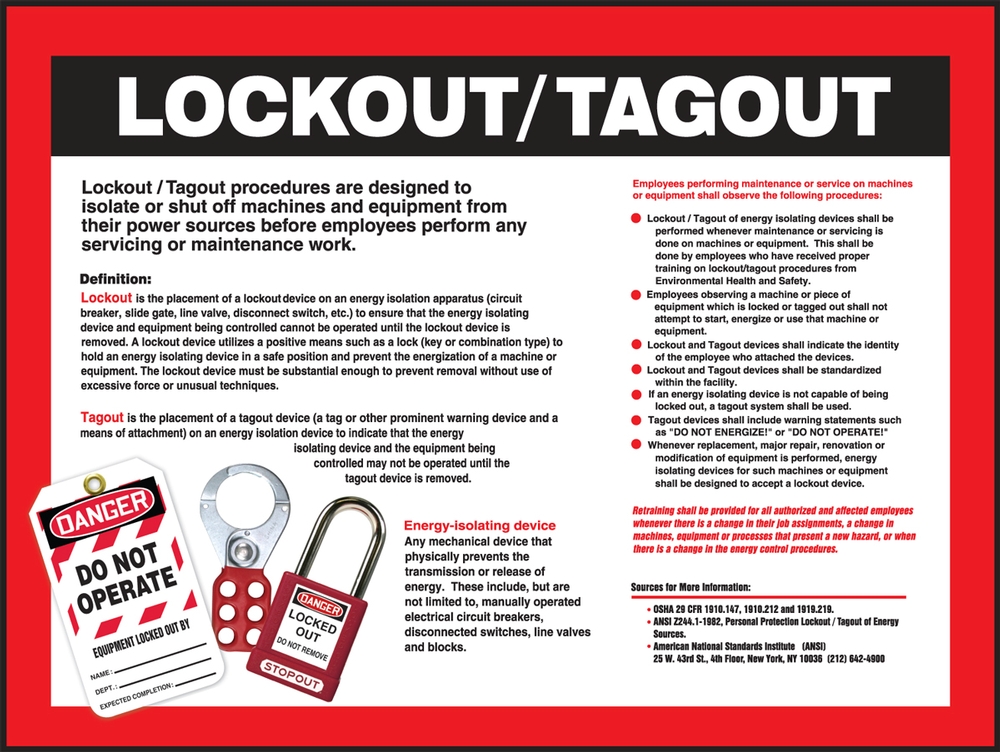
1. OSHA.gov The U.S. Occupational Safety and Health Administration provides a basic but compliant LOTO procedure template. Best for: Companies needing OSHA-aligned foundational documents Pros: Official source, compliant with 1910.147 Cons: Minimal customization guidance
2. NIOSH (National Institute for Occupational Safety and Health) Offers industry-specific LOTO examples, including manufacturing and lab equipment. Best for: High-risk environments with mixed energy sources Pros: Research-backed, includes hazard analysis Cons: Less user-friendly formatting
3. Creative Safety Supply Provides downloadable, printable LOTO templates with visual cues. Best for: Facilities focused on visual safety communication Pros: Clean layout, includes tag designs Cons: Requires email sign-up
4. SafetyCulture (iAuditor) Offers editable digital templates compatible with mobile audits. Best for: Companies using digital safety platforms Pros: Cloud-based, real-time updates, integrations Cons: Full features require subscription
5. Process Street Features a free, interactive LOTO checklist with conditional logic. Best for: Teams wanting automated workflows Pros: Task dependencies, reminders, collaboration Cons: Learning curve for setup
⚠️ Warning: Avoid templates from random blog sites with no author expertise. Many omit verification steps or use incorrect terminology—like “tagout-only” for machines requiring physical lockout.
How to Customize a Free Template for Your Facility
A template is only as good as its application. Simply printing and posting a generic form won’t satisfy OSHA or protect workers.
Follow this workflow to adapt any free LOTO template:
Step 1: Conduct an Equipment Audit List every machine requiring maintenance. Note:
- Primary and secondary energy sources
- Isolation points (disconnects, valves, bleeders)
- Common servicing tasks (jam clearance, blade changes)
Step 2: Map Lockout Points Walk through each shutdown process physically. A press operator might assume the main disconnect is sufficient—until you realize the hydraulic accumulator retains pressure for 20 minutes after shutdown.
Document all lockable points with photos or diagrams.
Step 3: Assign Roles Define:
- Authorized employees: Trained to perform lockout
- Affected employees: Operate or use equipment but don’t service it
Misalignment here causes confusion. Example: A janitor cleaning near a locked conveyor is affected but not authorized to remove a lock.
Step 4: Build the Procedure Use your template to draft a step-by-step guide. Example:
- Equipment: Band Saw – Woodshop Line 2 Energy Sources: Electrical (240V), mechanical (flywheel inertia) Steps:
- Shut off power at control panel
- Engage emergency stop
- Lock main disconnect with personal lock
- Test for zero energy by attempting restart
- Verify blade has stopped completely
Step 5: Train and Test Run drills. Have technicians follow the procedure without actually servicing the machine. Observe for gaps.
One plant discovered that their LOTO template didn’t account for shared lockout hasps—leading to multiple locks on one point. The fix? Add a “hasp availability” check.
Common Mistakes That Undermine LOTO Effectiveness
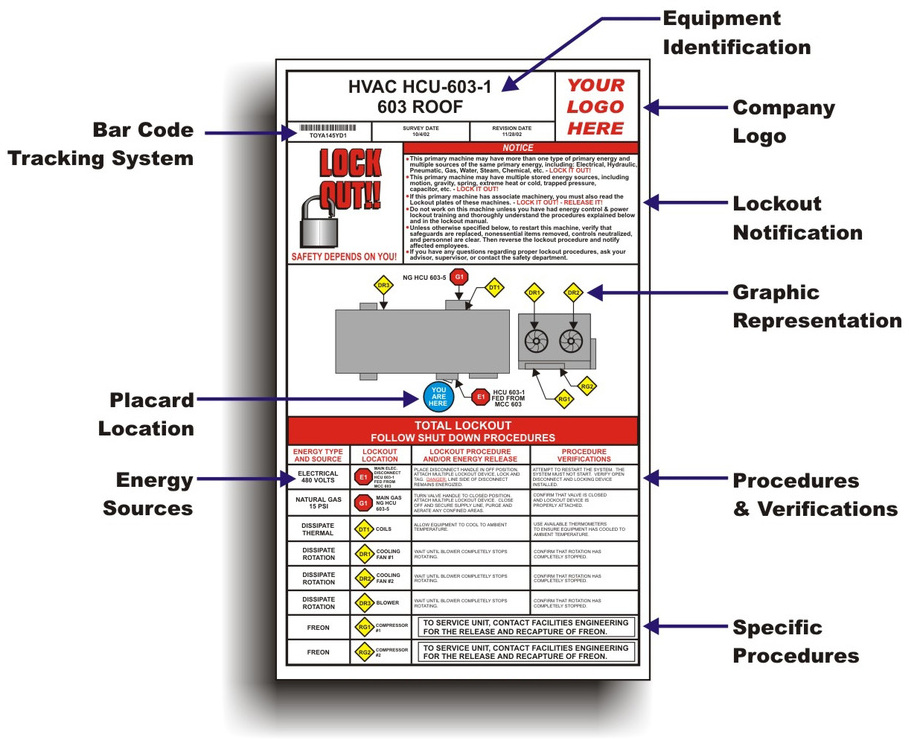
Even with a solid template, execution often fails. Here are frequent pitfalls—and how to avoid them:
Mistake 1: Tagout Without Lockout Tags are warnings. Locks are physical barriers. OSHA allows tagout-only systems only if lockout isn't feasible—and extra protective measures are in place.
Real case: A technician was injured when a tagged valve was accidentally opened. The template listed “tag valve” but didn’t require a lock.
Mistake 2: Group Lockout Confusion During team maintenance, multiple workers apply locks. But if the procedure doesn’t specify a primary authorized employee to coordinate removal, someone might restart prematurely.
Fix: Include a “group lockout log” in your template with names and lock IDs.
Mistake 3: Incomplete Energy Source List A bakery’s LOTO template missed the steam line on its oven. During cleaning, a valve released scalding vapor.
Fix: Use a hazard energy control checklist during audits.
Mistake 4: No Re-Training Schedule OSHA requires annual re-training. Many templates don’t include a training log or due date tracker.
Solution: Add a “Last Training Date” field and set calendar alerts.
Integrating the Template into Your Safety Program
A LOTO procedure isn’t a standalone document. It should connect to: - Your overall Energy Control Program (ECP) - Maintenance work orders - Incident reporting systems - New employee onboarding
Best Practice: Store digital versions in a shared drive or safety app with version control. If you revise the procedure for a CNC mill, every technician should access the updated version—not an outdated printout taped to a wall.
For paper-based systems, implement a sign-out log for procedure changes. Every revision should be dated, approved, and communicated.
Finalizing and Enforcing Your LOTO Process
Once customized, your free lockout tagout procedures template becomes a living document. But implementation is only half the battle.
Enforcement Tips: - Conduct surprise audits—watch shutdown procedures in action - Empower employees to stop work if LOTO isn’t followed - Recognize compliance, not just penalize violations - Review procedures after near-misses or changes in equipment
One auto parts manufacturer cut servicing injuries by 70% in 18 months—not by buying expensive tools, but by enforcing a simple, well-documented LOTO process built from a free template.
Get Started Today: Action Steps
Don’t wait for an incident to act. Use these steps to implement an effective LOTO system now:
- Download a reputable free lockout tagout procedures template (OSHA or SafetyCulture recommended)
- Customize it for your top 3 highest-risk machines
- Train your authorized staff using real equipment drills
- Audit compliance monthly for the first quarter
- Scale to all equipment within 90 days
A free template isn’t a shortcut—it’s a catalyst. With proper adaptation, it becomes a cornerstone of a safer, more compliant workplace.
Frequently Asked Questions
What is a lockout tagout procedures template? A standardized document outlining the steps to safely shut down and isolate equipment from hazardous energy sources during maintenance.
Is a free LOTO template OSHA-compliant? Only if properly customized. OSHA doesn’t approve templates, but your procedure must meet 29 CFR 1910.147 requirements.
Can I use tagout instead of lockout? Only when energy isolation devices can’t be locked. Tagout requires additional safety measures like continuous supervision.
Who should use the LOTO template? Authorized employees trained in energy control. Affected employees should understand the process but don’t perform lockout.
How often should LOTO procedures be reviewed? Annually, or whenever equipment, processes, or personnel change.
Do I need a separate template for each machine? Yes. Each piece of equipment has unique energy sources and shutdown steps. One-size-fits-all templates create risk.
Can digital templates replace paper ones? Yes, and they often improve compliance. Digital versions allow updates, tracking, and integration with maintenance systems.
FAQ
What should you look for in Lockout Tagout Procedures Template Free for Workplace Safety? Focus on relevance, practical value, and how well the solution matches real user intent.
Is Lockout Tagout Procedures Template Free for Workplace Safety suitable for beginners? That depends on the workflow, but a clear step-by-step approach usually makes it easier to start.
How do you compare options around Lockout Tagout Procedures Template Free for Workplace Safety? Compare features, trust signals, limitations, pricing, and ease of implementation.
What mistakes should you avoid? Avoid generic choices, weak validation, and decisions based only on marketing claims.
What is the next best step? Shortlist the most relevant options, validate them quickly, and refine from real-world results.