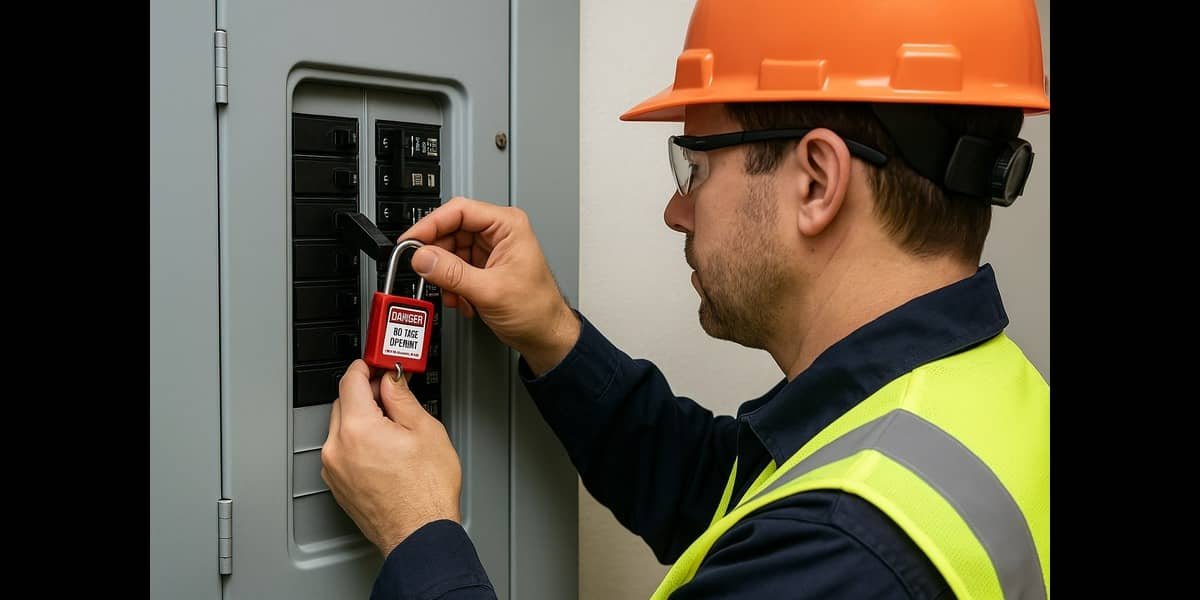
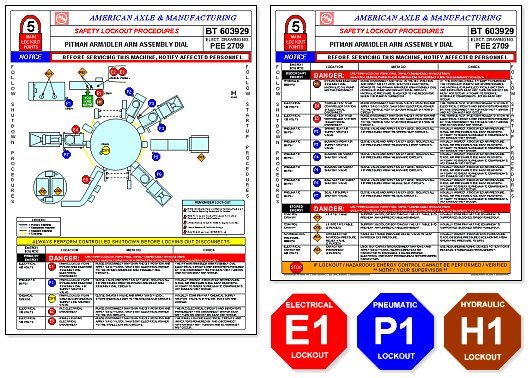
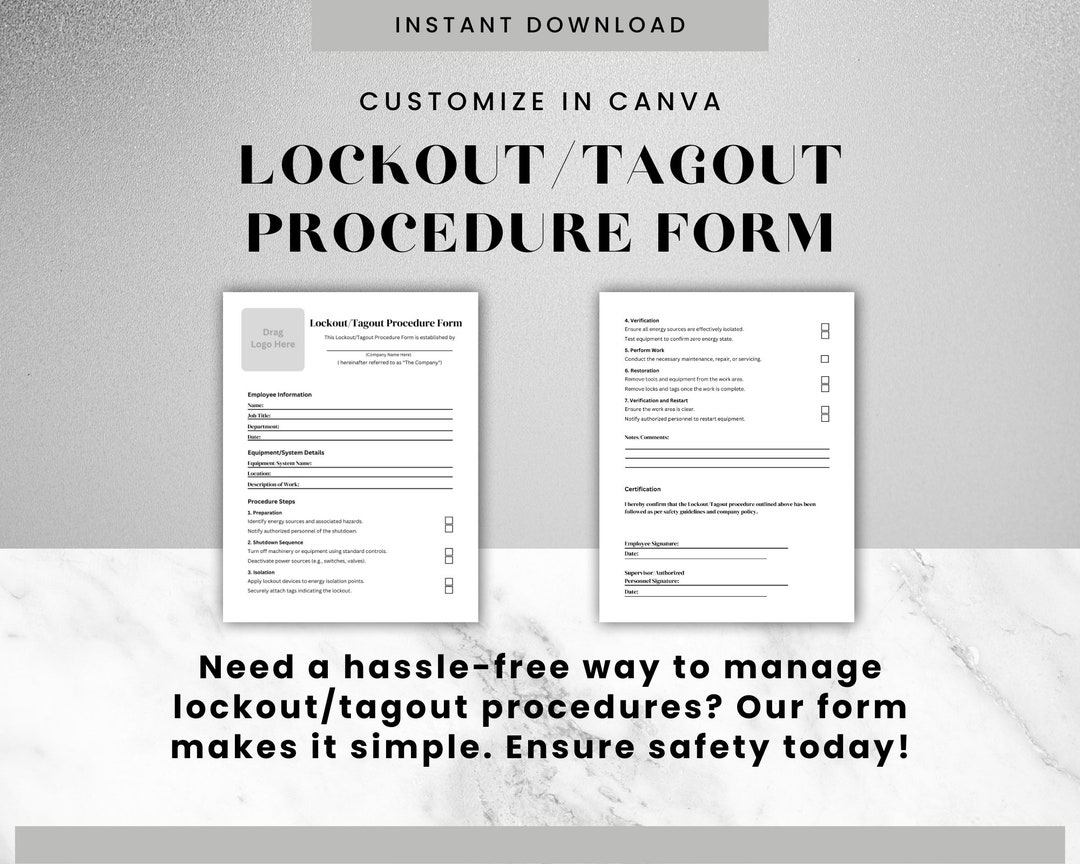
Every year, preventable accidents occur during equipment maintenance—workers injured by unexpected machine startups, electrical discharges, or pressurized systems releasing energy. These incidents often trace back to one failure: no lockout tagout station in place. A lockout tagout station isn’t just a storage cabinet with locks—it’s a centralized safety system that enforces procedure, accountability, and compliance. When properly designed and implemented, it becomes the nerve center of energy control across any industrial or manufacturing environment.
What Is a Lockout Tagout Station?
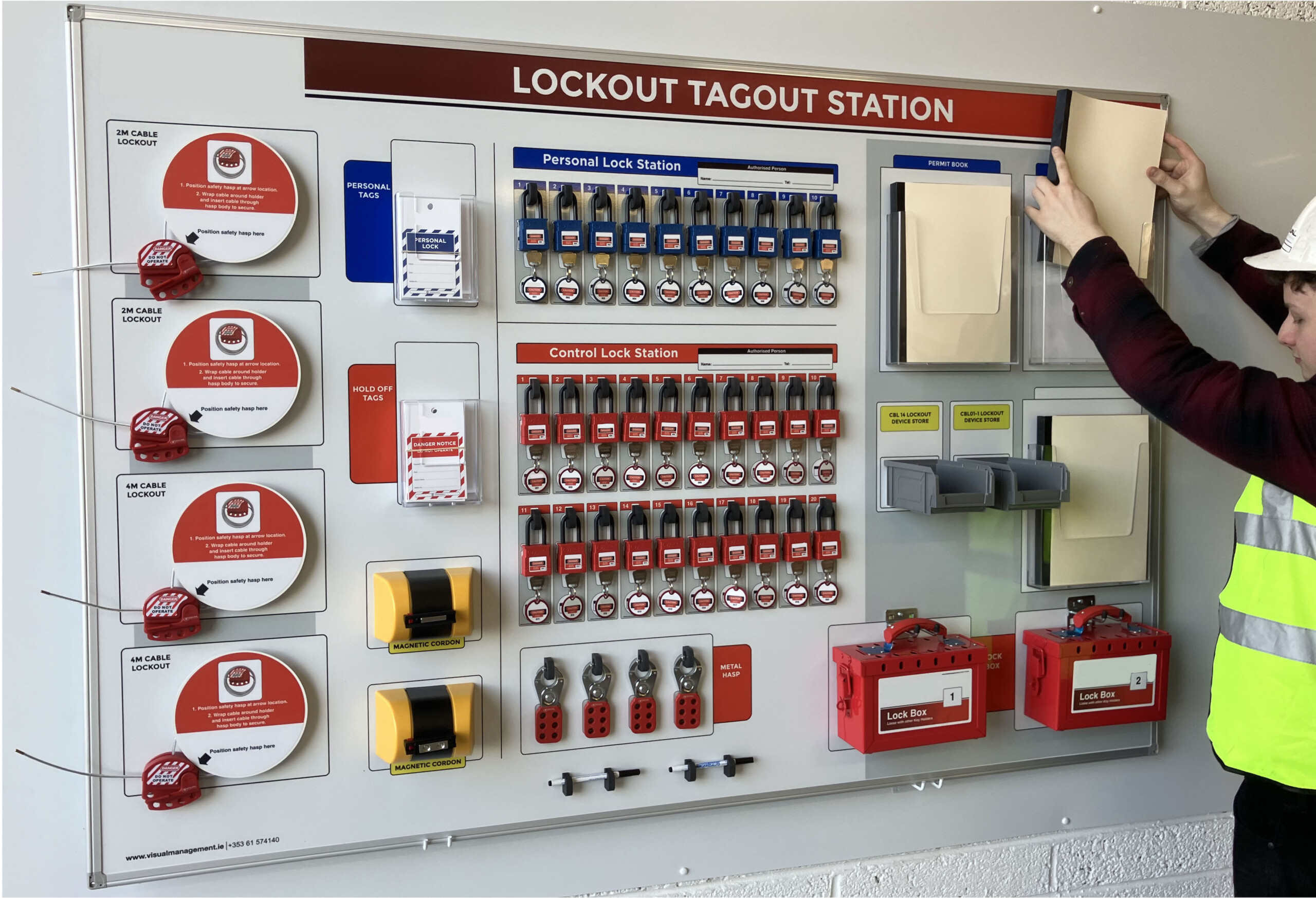
A lockout tagout station is a designated physical location where all lockout tagout (LOTO) devices, procedures, and documentation are stored and organized. It serves as a single point of access for authorized employees to retrieve the tools they need to safely isolate energy sources before performing servicing or maintenance.
These stations come in various forms—wall-mounted racks, rolling carts, lockable cabinets, or modular panels—but they all share the same purpose: to make LOTO fast, consistent, and auditable.
Core Components of a Typical Station
- Lockout hasps and group lock boxes – for multiple worker involvement
- Padlocks (personal and departmental) – keyed differently to ensure individual accountability
- Valve locks, circuit breaker locks, plug locks – device-specific energy isolators
- Tags (standard and blank) – to communicate why a device is locked
- Instructional signage – OSHA-compliant labels outlining procedures
- Checklists and logbooks – for documentation and audits
Without these elements centralized, the risk of skipped steps, missing equipment, or confusion during emergencies increases dramatically.
Why a Centralized LOTO Station Matters
Scattered locks, missing tags, and inconsistent procedures undermine safety culture. A lockout tagout station solves this by standardizing access and workflow.
Real-World Example: The Forgotten Valve
At a Midwest food processing plant, a mechanic bypassed a full LOTO because the valve lock was missing—stored two floors away in a technician’s personal toolbox. While working on a steam line, another operator unknowingly opened the valve. The result: second-degree burns and a six-week shutdown for safety review.
Afterward, the company installed a central LOTO station adjacent to the mechanical room. All energy control devices were moved there, tagged, and audited weekly. Within a year, LOTO compliance rose from 68% to 98%, and near-misses dropped by 74%.
This isn’t rare. Inconsistent access to LOTO tools leads to shortcuts. A centralized station eliminates that excuse.
Designing an Effective Lockout Tagout Station
A poorly designed station can be worse than none at all—if it’s disorganized or hard to use, workers will avoid it. Effectiveness comes from layout, location, and usability.
Choose the Right Location
Place the station: - Near high-risk equipment or maintenance zones - In a visible, well-lit area - Accessible during shifts (not behind locked doors) - Protected from environmental damage (moisture, heat, impact)
Avoid remote or cluttered corners. If a mechanic has to walk ten minutes to get a lock, they’ll improvise.
Structure for Speed and Clarity
Use visual organization: - Color-coded bins (by lock type or department) - Labeled slots for each tool - Pictograms showing proper use - Checklists laminated and visible
Think of it like a fire extinguisher station—clear, intuitive, and ready in seconds.
Include Documentation at the Point of Use
Post: - Site-specific LOTO procedures - Machine-specific energy isolation maps - Blank tag forms and incident reporting instructions
Workers shouldn’t need to go to an office or dig through binders. If documentation is at the station, compliance follows.
Common Mistakes That Undermine LOTO Stations
Even well-intentioned setups fail due to recurring oversights.
1. One Lock to Rule Them All
Some companies issue a single master padlock used by multiple people. This violates OSHA’s requirement for personal locks—each authorized employee must apply their own lock. Shared locks erase individual accountability.
Fix: Issue personal locks with employee names and unique keys. Store extras at the station for new hires or replacements.
2. Tags Without Meaning
Blank or generic tags like “Do Not Operate” with no reason, date, or name are useless. They become background noise.
Fix: Use standardized tags with fields for: - Employee name - Department - Date and time applied - Reason for lockout - Expected duration
3. No Audit Trail
If no one checks the station weekly, missing items go unnoticed. Tools get lost, procedures degrade.
Fix: Assign a weekly audit—check, log, and report discrepancies. Use a simple checklist at the station.
4. Ignoring Non-Electrical Energy
Many stations focus only on electrical locks. But pneumatic, hydraulic, thermal, and gravitational energy can be just as deadly.
Fix: Include: - Pipe valve locks - Spring release locks - Guillotine lockouts for conveyors - Plug-in lockouts for compressed air
Top 5 Lockout Tagout Station Solutions
Not all stations are created equal. These five options balance durability, organization, and compliance.
| Product | Key Features | Best For |
|---|---|---|
| Grace 777601 Master Lockout Station | Wall-mounted, 17-piece kit, includes hasp, tags, breakers locks | Small to mid-sized facilities |
| Seton 6S1498 Lockout Station Cabinet | Lockable steel cabinet, customizable bins, mounts on wall or bench | High-theft or multi-shift environments |
| Burgess 3600 Series Mobile Cart | Rolling design, 3 shelves, weather-resistant | Facilities with dispersed equipment |
| RS Pro LOTO Organizer Panel | Modular pegboard, color-coded inserts, UKCA/CE marked | Precision manufacturing |
| SafetyMade SM-LS1 Wall Rack | Affordable, OSHA-compliant labeling, expandable | Startups or budget-conscious teams |

Choose based on mobility needs, environmental conditions, and workforce size. A mobile cart works for plants with rotating maintenance teams; a locked cabinet suits areas with unauthorized access risks.
Integrating the Station Into LOTO Workflow
A station alone won’t fix broken procedures. It must be embedded in the actual work process.
Step-by-Step: Using the Station During Maintenance
- Notify affected employees – Announce upcoming maintenance.
- Shut down equipment – Follow shutdown SOPs.
- Retrieve tools from station – Take personal lock, tag, hasp, and appropriate device (e.g., breaker lock).
- Isolate energy sources – Apply lockout devices to all applicable points.
- Apply tag – Fill out completely; include contact info.
- Verify isolation – Test that zero energy remains.
- Return unused items – Log any missing or damaged tools at station.
Make this sequence visible at the station. A quick-reference flowchart prevents skipped steps.
OSHA Requirements and the Role of the Station
OSHA’s 29 CFR 1910.147 mandates a written energy control program, employee training, and periodic inspections. A lockout tagout station supports every one of these.
- Written program – Stored digitally or in a binder at the station.
- Training verification – Include training logs or ID badge scans.
- Periodic inspections – Conducted annually per machine; use station logs to track audit dates.
During an OSHA audit, inspectors look for proof of procedure execution. A well-maintained station provides that evidence instantly.
Future-Proofing Your Lockout Strategy
Technology is reshaping LOTO. While traditional stations remain essential, smart upgrades are emerging.
Digital LOTO stations now integrate: - RFID locks that log who applied them - QR codes linking to machine-specific procedures - Cloud-based audit trails
These aren’t mandatory yet, but they reduce paperwork and increase accountability. For forward-thinking operations, consider hybrid systems—physical stations with digital tracking.
Still, the core principle remains: if workers can’t lock out safely in under a minute, the system is broken.
Build a Culture, Not Just a Cabinet
A lockout tagout station is more than equipment—it’s a signal. When leadership invests in a visible, well-maintained station, it tells workers: Your safety is non-negotiable.
But if the station is dusty, missing parts, or ignored during audits, the message flips: Procedure is optional.
Sustain it with: - Monthly safety walks to inspect stations - Recognition for teams with perfect LOTO records - Incident debriefs that trace back to station use
Final Step: Audit Your Station Today
Don’t wait for an incident or inspection. Walk to your nearest lockout tagout station and ask: - Are all required tools present and functional? - Are tags filled out correctly on a sample lockout? - Is the location practical for emergency response? - Has it been audited in the last 30 days?
Fix what’s missing. Train those who skip it. Then repeat—because safety isn’t a one-time install. It’s maintained daily, one lock at a time.
Frequently Asked Questions
What should be included in a lockout tagout station? A complete station includes personal locks, lockout devices (breaker, valve, plug), hasps, tags, group lock boxes, procedure guides, and log sheets.
Where should a lockout tagout station be located? It should be near high-risk equipment, visible, accessible to authorized staff, and protected from damage or environmental hazards.
Can multiple people use the same lock? No. OSHA requires each authorized employee to use their own personal lock to ensure individual accountability.
How often should a LOTO station be inspected? Conduct weekly operational checks and annual compliance audits as part of your energy control program.
Are digital lockout stations OSHA-compliant? Yes, if they meet the requirements of 29 CFR 1910.147, including employee control, documentation, and periodic inspection.
Do lockout stations need to be locked? Yes, especially in environments with unauthorized personnel. A locked cabinet prevents tampering and loss of critical devices.
Can a LOTO station be mobile? Absolutely. Mobile carts are ideal for facilities with multiple work zones or rotating maintenance teams.
FAQ
What should you look for in Lockout Tagout Station Essentials for Workplace Safety? Focus on relevance, practical value, and how well the solution matches real user intent.
Is Lockout Tagout Station Essentials for Workplace Safety suitable for beginners? That depends on the workflow, but a clear step-by-step approach usually makes it easier to start.
How do you compare options around Lockout Tagout Station Essentials for Workplace Safety? Compare features, trust signals, limitations, pricing, and ease of implementation.
What mistakes should you avoid? Avoid generic choices, weak validation, and decisions based only on marketing claims.
What is the next best step? Shortlist the most relevant options, validate them quickly, and refine from real-world results.