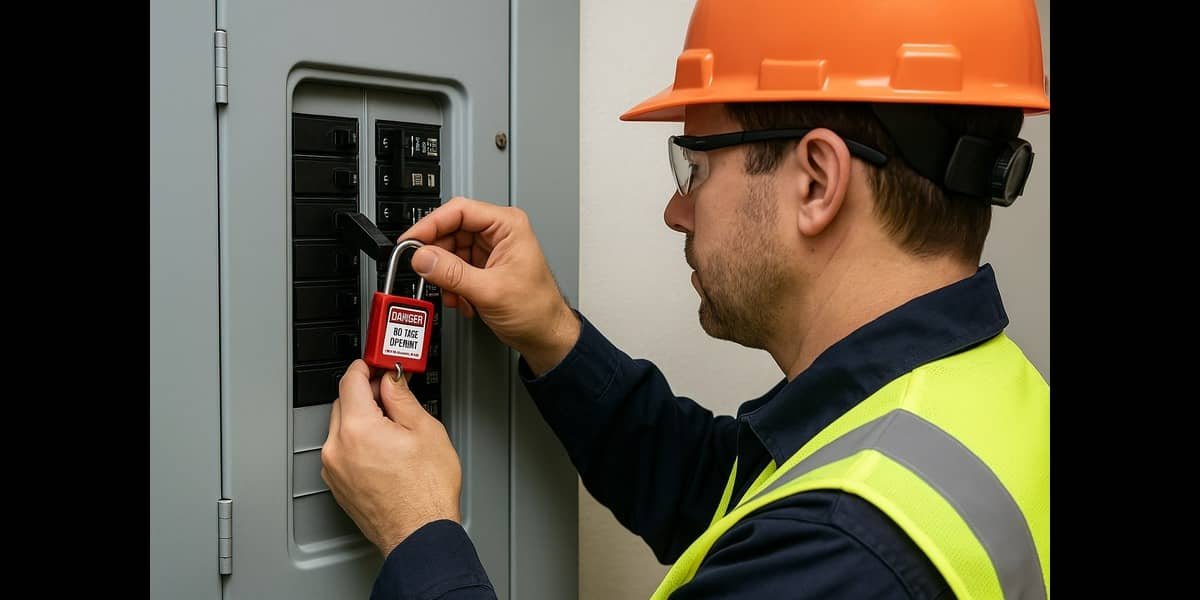
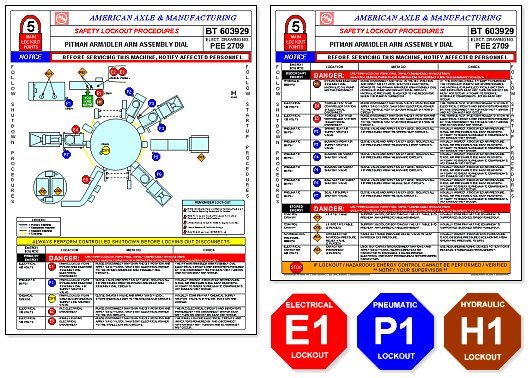
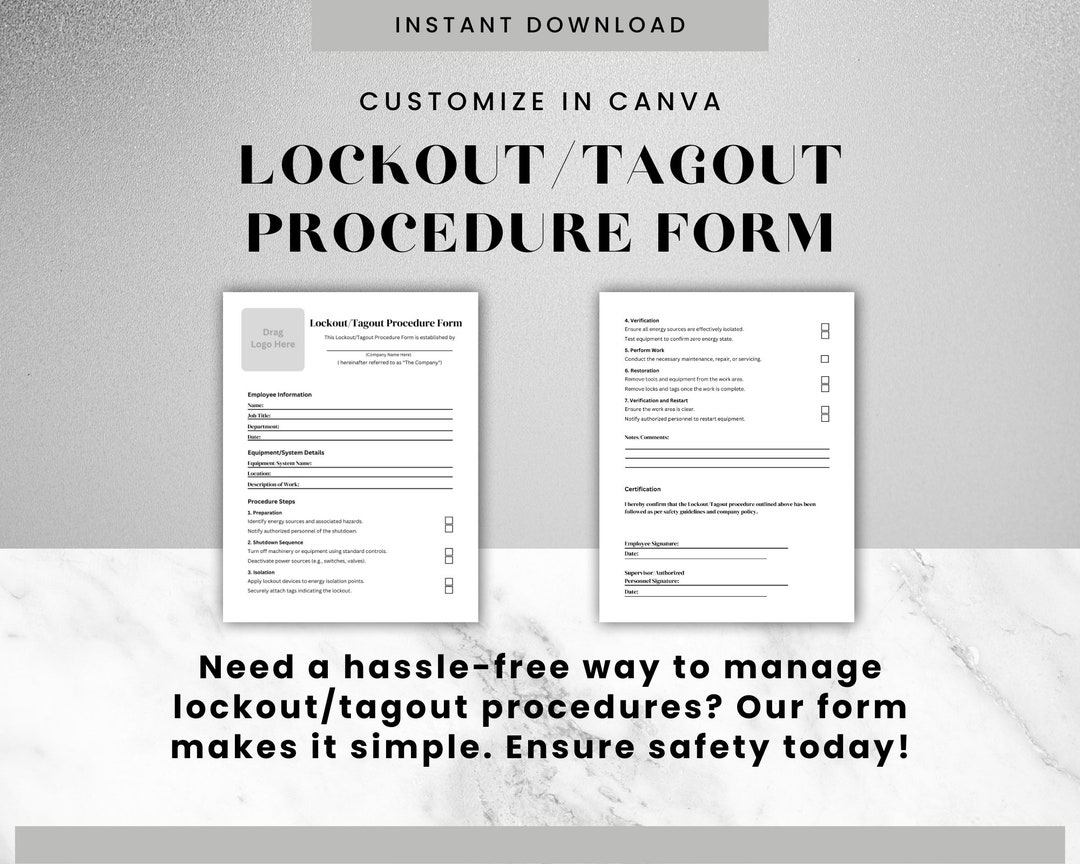
When multiple workers service a single machine, confusion over lockout responsibilities can lead to catastrophic mistakes. A single missed lock, an untagged valve, or a miscommunicated status can turn routine maintenance into a life-threatening incident. This is where a group lockout tagout box becomes indispensable—not just a storage container, but a system that enforces discipline, visibility, and shared accountability.
More than a physical device, the group lockout tagout box is a procedural cornerstone in multi-person energy control. It centralizes control, ensures every technician’s lock is accounted for, and prevents premature re-energizing of equipment. For safety managers, facility supervisors, and maintenance teams, understanding its function, implementation, and limitations is not optional—it's foundational.
What Is a Group Lockout Tagout Box?
A group lockout tagout box—also called a group lockout station or master lockout box—is a secure enclosure designed to hold individual padlocks and tags used during maintenance involving multiple personnel. The box acts as a control point: each worker applies their personal lock to isolate energy sources, and the keys to restart the machine are placed inside the box. The box itself is then locked with a hasp or combination mechanism, accessible only when every worker removes their lock.
This creates a fail-safe: the equipment cannot be energized until all maintenance personnel have completed their tasks and retrieved their locks. It’s a physical manifestation of the "last lock off, first lock on" principle, ensuring no one is trapped inside a danger zone when power returns.
How the System Works in Practice
Imagine a production line shutdown involving five technicians: an electrician, two mechanical fitters, a hydraulics specialist, and a safety observer. Each identifies their energy isolation points—circuit breakers, hydraulic valves, pneumatic lines—and applies their personal padlock and tag. The keys to reset the main disconnect switch are placed inside the group lockout box.
The box is then secured with a multi-lock hasp. Only when all five technicians finish their work and remove their locks can the box be opened and the keys retrieved. If one worker is delayed or still inside a hazardous area, their lock remains—halting the entire restart process.
This simple mechanism eliminates guesswork and prevents well-intentioned but dangerous shortcuts like “I’ll just flip the switch back on.”
Why Group Lockout Tagout Boxes Are Non-Negotiable
The cost of a single energy-related accident dwarfs the investment in a lockout system. According to OSHA, failure to control hazardous energy accounts for nearly 10% of serious accidents in manufacturing. In multi-person scenarios, miscommunication is the leading contributor.
A group lockout tagout box addresses three core risks:

- Misaligned Accountability – Without a central system, it’s easy to assume someone else locked out a circuit. The box makes responsibility visible and individual.
- Premature Re-energization – A supervisor unaware that work is ongoing might restart equipment. The locked box physically prevents this.
- Compliance Gaps – OSHA 29 CFR 1910.147 mandates documented energy control procedures. A group lockout system provides auditable proof of compliance.
Facilities that rely on ad-hoc tagging or verbal confirmation are gambling with liability. The lockout box isn’t just safety equipment—it’s legal and operational insurance.
Common Mistakes That Undermine Group Lockout Systems
Even with the right hardware, poor implementation can render a group lockout tagout box ineffective. These recurring errors sabotage safety:
Using Shared or Master Locks When workers share a single lock or use a master key system, the personal accountability inherent in LOTO is lost. Each individual must use their own uniquely keyed padlock.
Improper Box Placement If the lockout box is located far from the equipment or in an unsecured area, it becomes a logistical burden. Technicians might skip steps or leave keys unattended. The box should be mounted near the primary isolation point, within the work zone.
Skipping the Tagging Step Locks without tags are incomplete. Tags must include the worker’s name, department, date, and nature of work. Without this, others can’t verify who is still working or what tasks remain.
Failing to Train Temporary or Contract Workers Contractors or temporary staff often aren't integrated into lockout procedures. Yet they face the same risks. Training must be mandatory and documented for all personnel.
Overloading the System Some teams use one box for multiple machines or shifts. This creates confusion and undermines traceability. Each operation should have its own dedicated lockout process.
Real-World Use Cases That Justify the Investment
The value of a group lockout tagout box becomes clearest in complex, high-risk environments. Consider these scenarios:
Chemical Processing Plant During a reactor vessel cleaning, six technicians isolate electrical, steam, and chemical feed lines. The lockout box is placed near the main control panel. Each worker locks out their respective valve or circuit and deposits the restart key. Only after all six confirm completion—verified via checklist and lock removal—can the box be opened.
Automotive Manufacturing Line A robotic arm requires calibration. The electrician isolates power, the controls technician disables the PLC signal, and the safety officer verifies lockout. Their three locks secure the box containing the master reset key. If one lock remains, the line stays down—protecting anyone in the robot’s path.
HVAC System Overhaul in a Hospital Maintenance on a chiller unit involves electrical, mechanical, and refrigerant handling. With lives depending on uninterrupted critical systems, the lockout box ensures no accidental start-up occurs during servicing. The box is checked hourly by the shift supervisor as part of safety rounds.
In each case, the group lockout box isn’t just a safety tool—it’s a communication protocol made tangible.
Choosing the Right Group Lockout Tagout Box
Not all lockout boxes are built the same. The right choice depends on your environment, team size, and complexity of operations. Key considerations include:
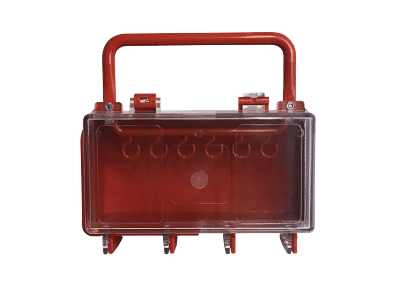
- Lock Capacity – Must accommodate all personnel involved, plus spares. Boxes range from 6-lock to 40-lock models.
- Construction – Steel or heavy-duty plastic? Indoor or outdoor use? Corrosion resistance matters in wet or chemical environments.
- Visibility – Clear polycarbonate lids allow visual verification of keys inside without opening the box.
- Mounting Options – Wall-mounted, portable, or magnetic? Ensure it stays secure and accessible.
- Compliance Features – Look for OSHA-compliant designs, built-in tag holders, and documentation slots.
Top 5 Group Lockout Tagout Boxes in 2024
| Product | Lock Capacity | Material | Key Features | Best For |
|---|---|---|---|---|
| Brady LOCKOUT10 | 10 locks | Steel | Clear lid, mounting brackets, tag inserts | Mid-size teams |
| Grainger 55513 | 6 locks | Polycarbonate | Lightweight, portable, weather-resistant | Mobile crews |
| Master Lock 1690DAT | 12 locks | Steel | Hasp-compatible, audit-ready logs | High-compliance sites |
| Seton 90600 | 20 locks | Steel | Large internal space, dual hasps | Multi-trade operations |
| Pro-Safe LOTO-BOX25 | 25 locks | Reinforced polymer | UV-resistant, padlockable handle | Outdoor/harsh environments |
Each of these supports standardized LOTO workflows while adapting to different operational needs. The key is matching capacity and durability to your use case—not overbuying, not under-equipping.
Integrating the Box Into Your LOTO Program
A lockout tagout box is only as strong as the system behind it. To maximize effectiveness:
- Document the Procedure – Create step-by-step instructions for each machine, including isolation points and box usage.
- Train All Personnel – Include hands-on drills during onboarding and annual refreshers.
- Conduct Audits – Monthly checks should verify proper use, tag completeness, and box condition.
- Assign a Coordinator – One person (often a supervisor) oversees the lockout process, ensuring all locks are accounted for.
- Use Checklists – Pair the box with a printed or digital checklist that tracks lock application and removal.
Without integration, the box becomes a formality. With process alignment, it becomes a cultural symbol of safety.
Limitations and When Additional Controls Are Needed
While powerful, group lockout tagout boxes aren’t foolproof. They don’t address:
- Remote energy sources – If isolation points are far apart, secondary boxes or wireless lockout systems may be needed.
- Shift changes – A night-shift technician can’t remove a day-shift worker’s lock. Shift交接 requires a formal handover procedure, often using a “lockout log” or tag transfer protocol.
- Emergency overrides – Some systems allow emergency restart via dual-key control, but this must be strictly governed.
In high-complexity environments, consider pairing the box with digital LOTO systems that log user activity, send alerts, or integrate with SCADA networks.
Final Thoughts: Make Safety Irreversible
A group lockout tagout box is more than a metal container with a hasp. It’s a physical enforcement of trust, procedure, and human dignity. It ensures that no worker is ever put at risk because someone assumed the job was done.
Implementing one isn’t about buying equipment—it’s about making a commitment. A commitment that every technician who steps into a danger zone will return safely. That every lock represents a life, and every key is held until that life is out of harm’s way.
Start by auditing your current LOTO process. Identify multi-person tasks. Choose a box that fits your team size. Train rigorously. And never allow exceptions.
Because in the end, safety isn’t a feature. It’s the foundation.
Frequently Asked Questions
What is the primary purpose of a group lockout tagout box? It ensures that equipment cannot be re-energized until all workers involved in maintenance have removed their personal locks, preventing accidental startups.
Can one person remove another worker’s lock? No—unless under emergency protocols with documented authorization. Each lock must be removed only by the person who applied it.
Where should the group lockout box be installed? Near the main energy isolation point, within the work area, and in a visible, secure location accessible to all authorized personnel.
Do all workers need individual locks? Yes—each technician must use their own personal, uniquely keyed padlock to maintain accountability.
Can digital systems replace physical lockout boxes? Some facilities use electronic LOTO systems, but physical boxes remain the OSHA-compliant standard unless equivalent safeguards are in place.
Are tags required with each lock? Yes—tags must include the worker’s name, department, date, and type of work for full traceability.
How often should lockout boxes be inspected? Monthly checks are recommended to ensure integrity, proper use, and compliance with safety standards.
FAQ
What should you look for in Group Lockout Tagout Box Essentials for Workplace Safety? Focus on relevance, practical value, and how well the solution matches real user intent.
Is Group Lockout Tagout Box Essentials for Workplace Safety suitable for beginners? That depends on the workflow, but a clear step-by-step approach usually makes it easier to start.
How do you compare options around Group Lockout Tagout Box Essentials for Workplace Safety? Compare features, trust signals, limitations, pricing, and ease of implementation.
What mistakes should you avoid? Avoid generic choices, weak validation, and decisions based only on marketing claims.
What is the next best step? Shortlist the most relevant options, validate them quickly, and refine from real-world results.